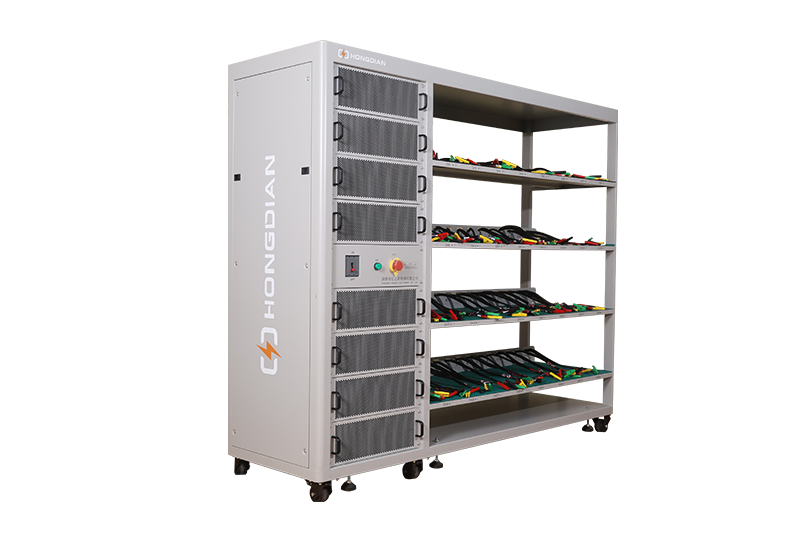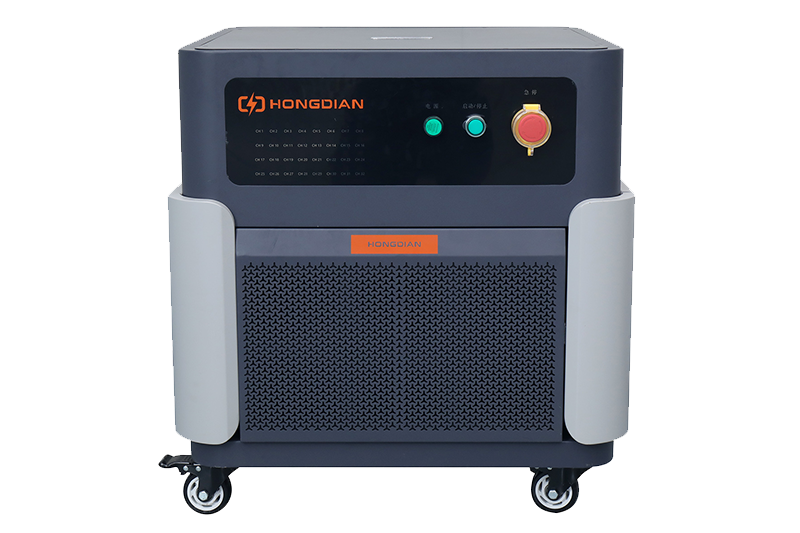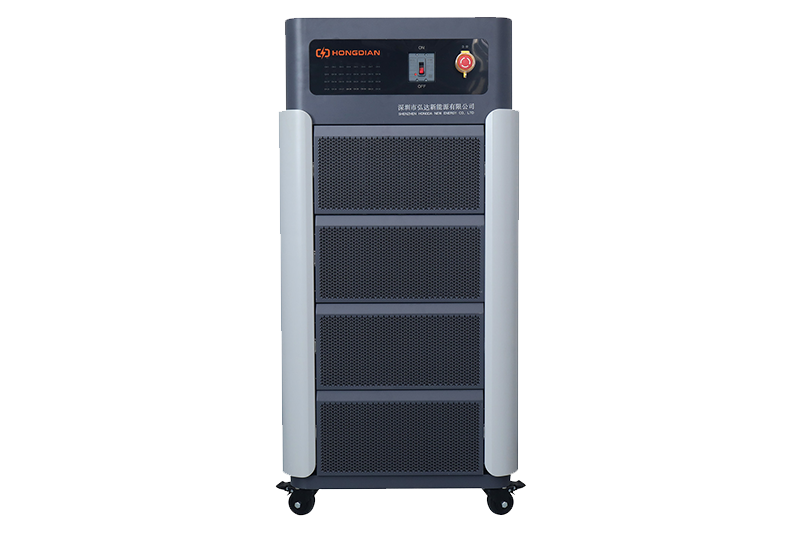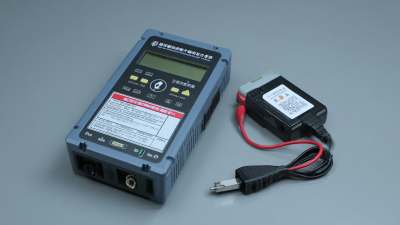
32/48 channel battery charging and discharging test integrated battery cabinet
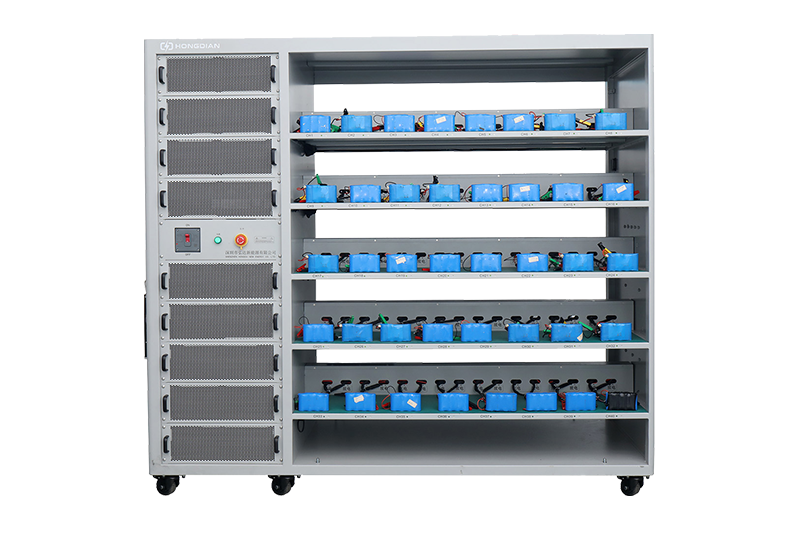
40 channel battery charging and discharging test integrated battery cabinet
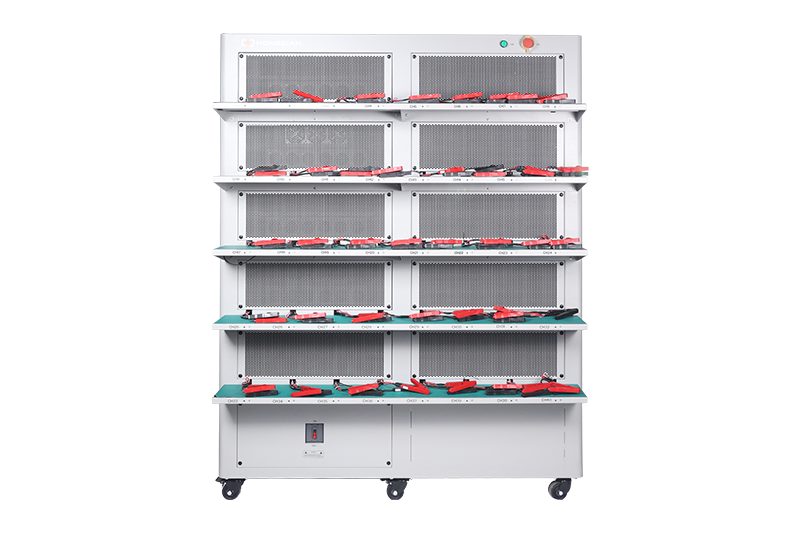
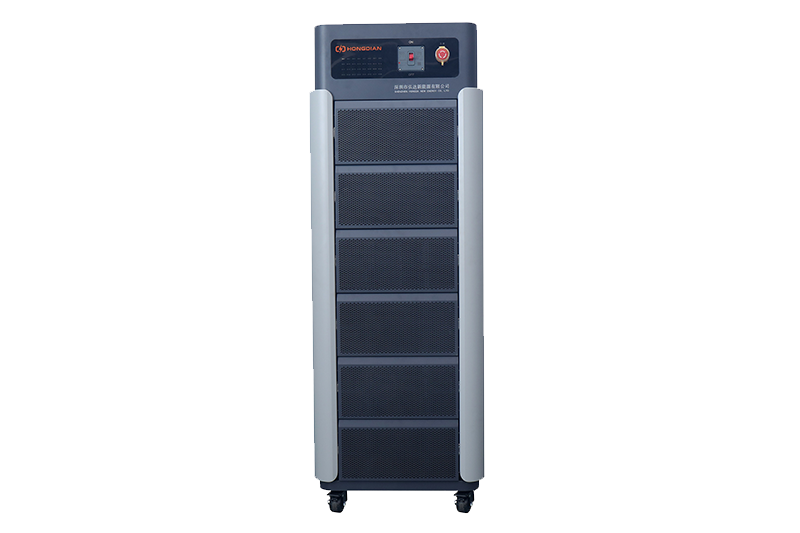
64 channel battery charging and discharging test integrated battery cabinet
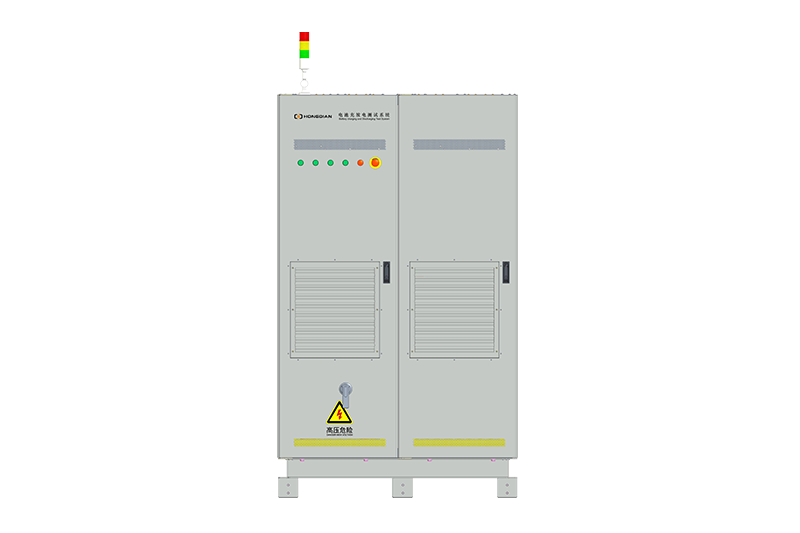
80 channel battery charging and discharging test integrated battery cabinet

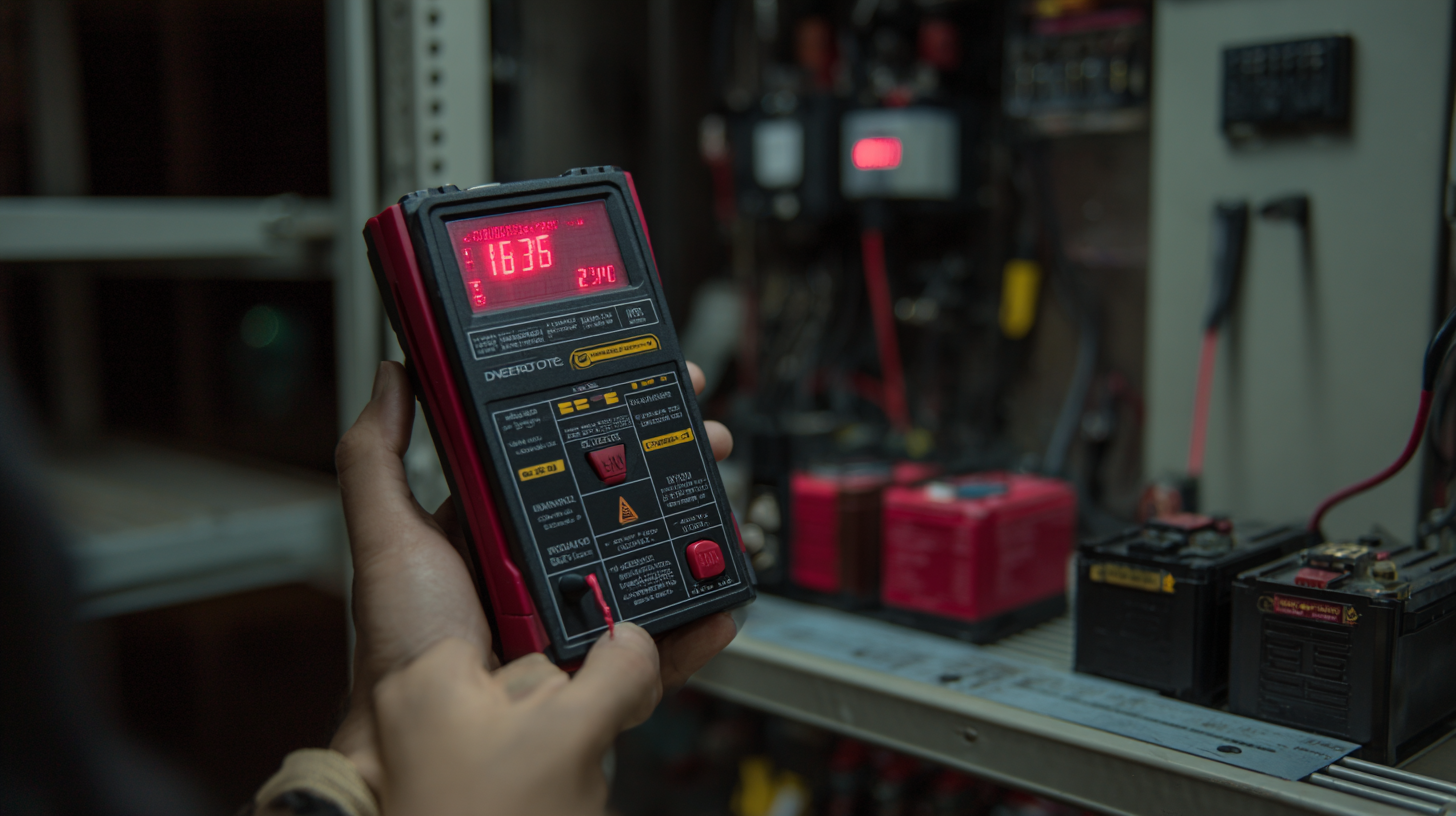
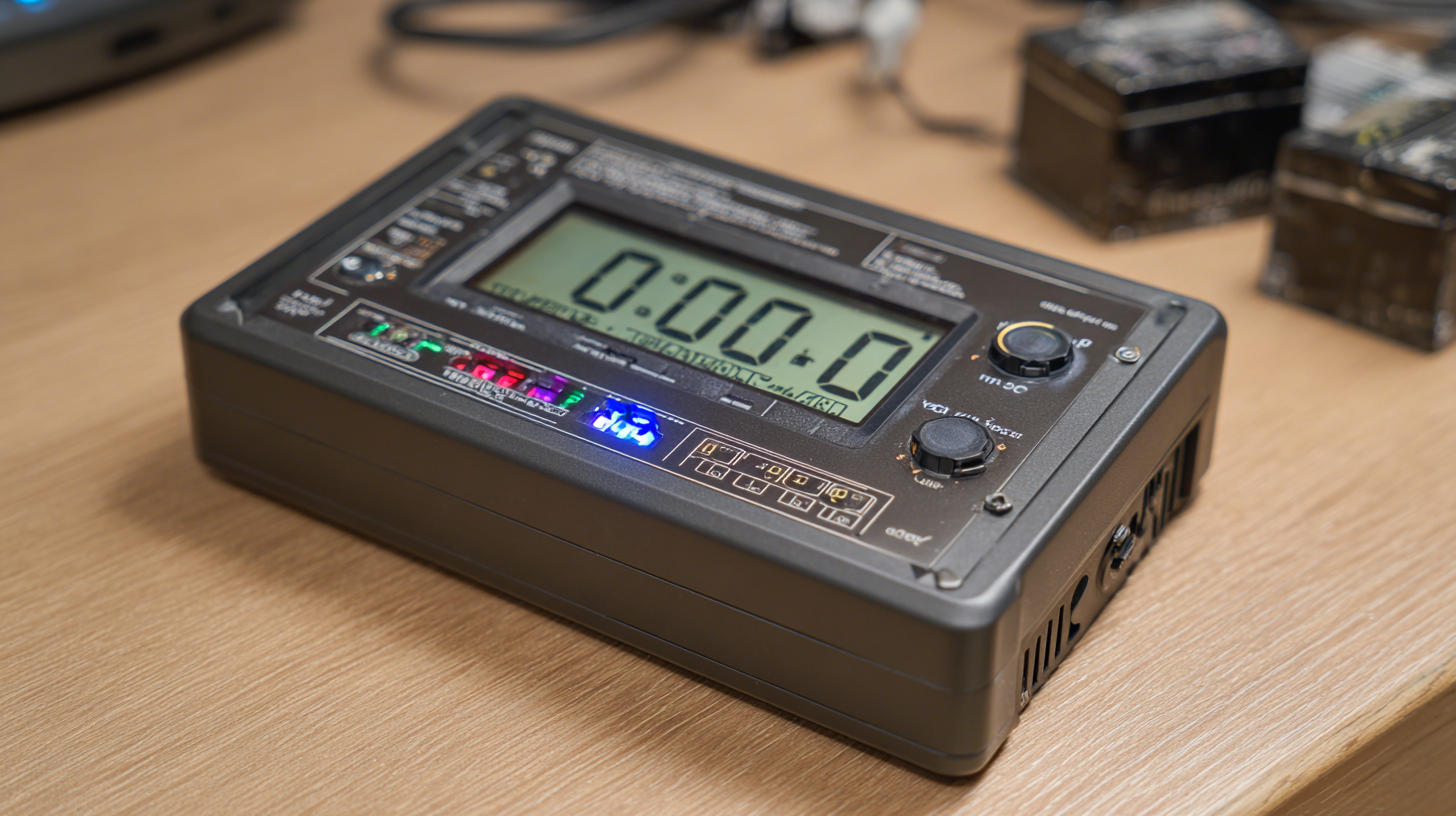
In today’s super busy world, keeping your Uninterruptible Power Supply (UPS) systems running smoothly is more important than ever—whether it’s at home or in the office. A good Ups Battery Tester isn’t just handy; it’s pretty much essential for making sure your batteries last as long as possible and avoiding those annoying unexpected power outages. Industry reports keep pointing out that the global UPS market could hit around $12 billion by 2027, with folks really focusing on efficiency and dependability.
Shenzhen Hongda New Energy Co., Ltd. has been right there leading the way. They've served over a thousand customers worldwide and built a pretty solid network across multiple countries. Investing in a quality UPS Battery Tester isn’t just about protecting your gadgets—it’s about keeping everything running smoothly and making your energy management way more efficient in the long run. Trust me, it’s a smart move for peace of mind and better performance all around.
Uninterruptible Power Supplies, or UPS systems, are pretty much a must-have when you're protecting sensitive gear at home or at work. But honestly, a lot of folks tend to overlook one pretty important thing—testing the batteries regularly. Doing this is super important because it helps ensure that your backup power will actually kick in when the lights go out. I came across a report from TechTarget that mentioned quite a few UPS failures happen just because people forget to maintain them properly; apparently, up to 20%of backup systems don’t work when they really need to. By making Battery Testing a regular part of your maintenance routine, you can really boost reliability and avoid costly downtime—that's agame changer.
Plus, there's this study from the International Electrotechnical Commission (IEC) that points out how UPS batteries tend to wear out over time, usually lasting between 3 to 5 years. If you don’t test them often, you might not even realize their performance is slipping until it’s way too late and they fail when you depend on them most. Battery testers are pretty handy here—they give you real-time insights, so you can replace batteries before they cause a disaster. Once you get how important regular testing really is, you'll see how it can seriously improve data security and keep your systems running smoothly—especially when it counts the most.
When you're on the hunt for a UPS battery tester for your home or office, it's worth thinking about a few key features that can really make your battery upkeep a whole lot easier. First off, look for a tester that can analyze how your batteries go through discharge and recharge cycles—this is pretty important for figuring out if your batteries are still healthy. A solid tester will give you detailed info on voltage and current, which helps spot potential issues before they become real problems and leave you powerless.
Something else to consider is whether it works with different types of batteries and chemistries. You’ll want a device that can handle everything from lithium-ion to lead-acid batteries, especially if you’ve got a mix. The more versatile, the better, since it means fewer gadgets cluttering your space.
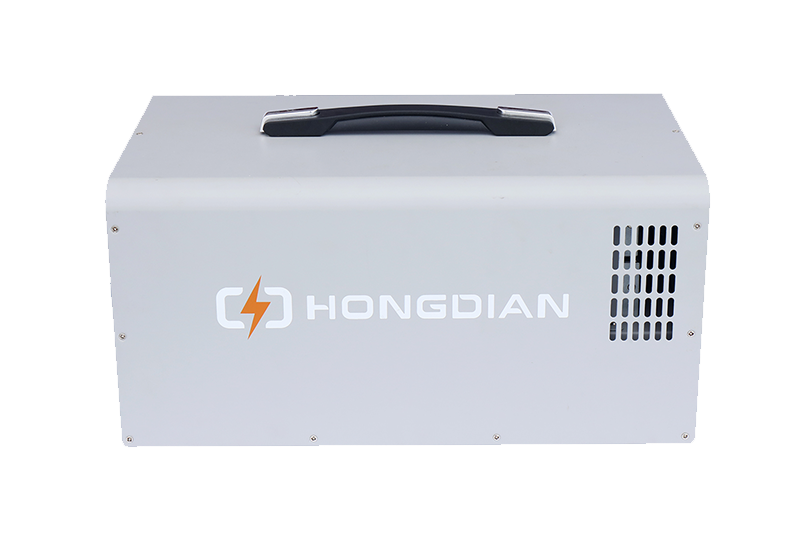
Quick tip: Keep an eye out for testers that have alerts built in—these will notify you if your battery performance dips below a certain point, so you can fix things early on. Also, if you’re like me and move around a lot, a lightweight and portable tester can be a lifesaver—makes testing batteries around the house or office a breeze. Honestly, doing regular checks with a good tester not only helps your batteries last longer but also keeps your backup power system running smoothly when you really need it.
If you’ve got UPS batteries running at home, you’ll want to keep them in good shape and working efficiently — and that’s where a solid battery tester comes into play. Honestly, grabbing a reliable tester not only helps you check on the health and performance of your batteries but can also save you some headache (and money) down the line by catching issues before power suddenly goes out. For home use, look for something that gives you clear, easy-to-read results — you want to comfortably monitor things like voltage and battery capacity without fussing too much.
Some of the best UPS battery testers for home setups are pretty straightforward — think simple interfaces and handheld designs that make testing kind of a no-brainer. If you want to get a little fancy, there are also models with features like temperature checks and load testing, giving you a fuller picture of how your batteries are really doing. Doing routine tests might seem like a small thing, but it keeps your batteries in tip-top shape so they’re ready whenever you need them — whether it’s powering your home office gear or keeping your fridge running during an outage. Ultimately, a good UPS battery tester is just one of those tools you’ll wish you had in your corner to keep everything running smoothly when it counts most.
Using a UPS battery tester can really make a difference in how long your backup power system lasts and how well it works—whether at home or in the office. Basically, this handy tool helps you check on the health and performance of your uninterruptible power supplies (which we often just call UPS). It’s like giving your system a quick health check to make sure it’s ready to jump in during a blackout. Doing these tests regularly can catch issues with the battery before they turn into full-on failures, so you can relax knowing your important devices won’t suddenly die on you when the power goes out.
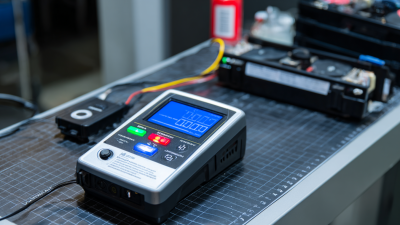
Getting started with a UPS battery tester is pretty straightforward. Just connect it to your UPS and follow the manufacturer's instructions to run a diagnostic. Keep an eye on the battery charge levels and watch out for any warning lights or messages. It’s a good idea to do these checks often—especially after rough power situations or as part of your routine maintenance. By regularly monitoring with the tester, you can catch problems early, like old batteries that need replacing. Trust me, taking these simple steps can really extend your UPS’s lifespan and keep everything running smoothly when it matters most.
| Feature | Description | Importance | Frequency of Use |
|---|---|---|---|
| Voltage Test | Measures the output voltage of the UPS battery. | Critical for determining battery health. | Monthly |
| Load Test | Simulates battery usage under load conditions. | Essential for assessing performance under stress. | Quarterly |
| Battery Age Indicator | Shows the estimated remaining life of the battery. | Helps in planning for replacements. | Biannually |
| Temperature Monitoring | Monitors the temperature of the UPS battery. | Prevents overheating issues. | Monthly |
| Audible/Visual Alerts | Provides alerts for low battery or faults. | Crucial for immediate action. | As needed |
When you're dealing with battery health, it’s pretty important to get a good grip on the common issues that can pop up. One of the biggest headaches is batteries draining way faster than they should — you know, rapid discharging. This can happen for lots of reasons, like your battery getting old, exposed to extreme temperatures, or even using a faulty charger. If you want to avoid surprises, grabbing a decent UPS battery tester is a smart move. It can give you a clear picture of your battery’s voltage and capacity, helping you figure out if it’s still performing well or if it’s finally time to replace it.
Another problem folks often overlook is sulfation buildup. Basically, this happens if a battery gets left discharged for too long — and it’s not great. It can really bloat your battery’s capacity and efficiency. Luckily, a good battery tester can spot this issue pretty easily by checking the overall health of the battery and showing if its performance has taken a hit. Using the right tester, you can also check the batteries in your gadgets, which is super helpful to avoid sudden shutdowns.
Regular testing isn’t just about catching problems early; it can actually extend the lifespan of your batteries and make sure your devices keep running smoothly, whether at home or at work.
In the rapidly evolving landscape of energy storage solutions, optimizing battery performance is more critical than ever. The 32/48-Channel Battery Charge/Discharge Test System stands out as a pivotal tool in this pursuit, engineered to deliver unparalleled flexibility and efficiency across various applications. This system is designed to cater to the diverse needs of industries involved in research and development, quality control, and production-line validation, making it an essential asset for organizations aiming to enhance their battery technologies.
Recent industry reports indicate that the global market for energy storage systems is projected to reach USD 546.56 billion by 2035, with a compound annual growth rate (CAGR) of 18.1% from 2023 to 2035. This growth underscores the need for robust testing systems that can support intricate battery performance evaluations. The 32/48-Channel system offers customization at its core, allowing users to adapt testing processes to meet unique requirements. Its advanced capabilities ensure that both R&D teams and quality assurance departments can obtain detailed insights into battery behavior under various charge and discharge conditions.
Furthermore, as reliance on renewable energy sources increases, the ability to test and validate battery systems effectively not only contributes to product reliability but also plays a crucial role in the overall success of energy storage solutions. With the increasing complexity of battery technologies, including lithium-ion and solid-state batteries, the 32/48-Channel Battery Charge/Discharge Test System is well-positioned to serve as a benchmark for performance testing, helping companies stay competitive in a fast-paced market.
: UPS battery testing is crucial as it ensures that devices are operational during power outages. Regular testing helps prevent failures that can occur due to neglect, maximizing reliability and avoiding costly downtime.
It is recommended to incorporate consistent battery testing into your maintenance routine to monitor battery health and performance regularly, especially since UPS batteries typically have an average lifespan of 3 to 5 years.
Key features to consider include the ability to analyze discharge and recharge cycles, detailed readings on voltage and current output, compatibility with multiple battery types, built-in alerts for performance drops, and portability for ease of use.
UPS battery testers can help identify issues such as rapid discharging and sulfation, which can reduce battery capacity and efficiency, allowing you to address problems proactively.
Using a UPS battery tester, you can check the battery's voltage and capacity. If the readings indicate significant drops in performance or the battery struggles to hold a charge, it may be time for a replacement.
Yes, advanced battery testers often have specific modes for different battery chemistries, providing more accurate assessments based on the type of battery being tested.
Neglecting UPS battery testing can lead to undetected declining performance, resulting in critical failures during power outages and potential loss of data or productivity.
Regular testing allows for proactive replacements and maintenance, which enhances battery health and efficiency, ensuring that UPS systems provide reliable backup power when needed.
Yes, by ensuring that UPS batteries are functioning optimally through regular testing, organizations can enhance data protection and ensure critical systems remain active during power disruptions.
In today’s tech-heavy world, making sure your uninterruptible power supplies (UPS) are reliable is more important than ever—whether you’re at home or in the office. A UPS Battery Tester really comes in handy for keeping an eye on those batteries, helping you catch potential issues before they turn into real problems. It’s pretty much your go-to tool for checking that everything's running smoothly and that your batteries will last a good while. If you get why testing your UPS batteries is so crucial, you’ll avoid unexpected outages and keep your valuable gear safe from power hiccups.
When you’re picking out a UPS Battery Tester, it’s worth paying attention to some key features—like how accurate it is, whether it’s easy to use, and if it works well with different types of batteries. Luckily, there are quite a few good options out there, especially ones tailored for home use, that help you diagnose common battery problems without any hassle. Knowing how to use these testers properly and catching early signs of trouble can really make a difference. It helps keep your UPS performing its best and can even make your equipment last longer, which means fewer headaches and smoother operation all around.