In today’s fast-changing world of energy solutions, having reliable and efficient Battery Testing Tools is more important than ever. At Shenzhen Hongda New Energy Co., Ltd., we get it — the right testing equipment is absolutely key to making sure your batteries perform at their best and last longer. Since we kicked things off, we’ve had the pleasure of working with over a thousand customers all around the globe, providing top-quality products and services tailored to a wide range of needs and regions. In this blog, I want to share 101 practical tips for picking the right battery testing tools. Our goal? To help you make smarter choices that can improve your operations and give you peace of mind when it comes to battery quality. Whether you’re a manufacturer, a researcher, or a service provider, these insights should help you find the testing tools that fit your specific needs — making your work a little easier along the way.

Understanding Different Types of Battery Testing Tools Available in the Market
When you're choosing the right tools to Test Batteries, it's really helpful to understand what’s out there in the market. You’ve got options ranging from simple multimeters to more specialized battery analyzers—each one has its own role in checking how well a battery is performing and how healthy it is.Interestingly, a recent industry report mentioned that the global market for battery testing equipment is expected to grow at around 8.1% annually from 2021 to 2028. This just shows how much we’re becoming more reliant on effective battery testing, especially with things like electric cars and renewable energy taking center stage.
If you want to make the right choice, here are a few tips to keep in mind: First off, think about the kind of batteries you're planning to test. For example, impedance testers work pretty well for lead-acid batteries, but if you're dealing with lithium-ion ones, you'll probably need more sophisticated tools to get accurate readings. Next, look for testing devices that can log data and are compatible with software—this will help you spot performance patterns over time. And finally, don’t forget to prioritize accuracy and ease of use. Having tools that are user-friendly and precise can really make your testing process smoother and more reliable.
At Shenzhen Hongda New Energy Co., Ltd., we totally get how important it is to have quality testing solutions for different types of batteries. We’re always working on expanding what we offer and serving customers around the globe. Our goal is to provide you with the latest and greatest testing tools tailored to your specific needs. By understanding which tools are right for your applications, you can help ensure your batteries perform at their best and last longer.
Key Factors to Consider When Selecting Battery Testing Equipment
When you're on the hunt for battery testing equipment, there are a few key things you really gotta keep in mind to make sure you're getting accurate results and good performance. First off, it’s super important to understand what kind of battery chemistry you're dealing with. I came across a report from MarketsandMarkets that said the global market for battery testing gear is expected to hit around $800 million by 2025. That’s mostly because more people are looking for dependable testing tools for all sorts of applications. Different batteries—like lithium-ion, lead-acid, or nickel-metal hydride—each need their own specialized testing setups to really evaluate their performance properly.
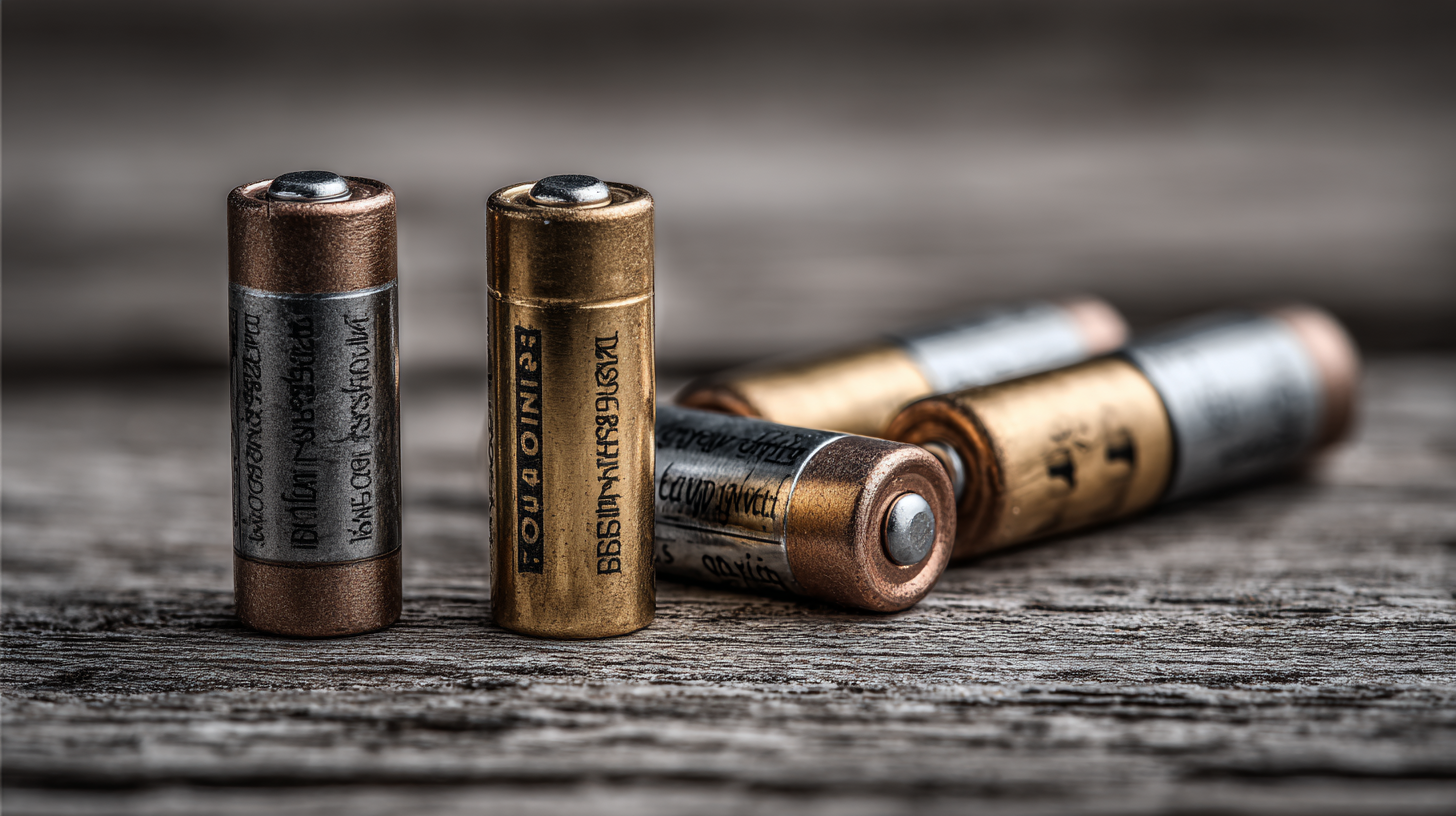
Another thing, make sure to pay attention to the specs of the testing equipment you choose. It helps to pick devices that can handle a wide range of voltage and current, so you can test different types of batteries without a hitch. More advanced models often come with features like real-time data analysis and built-in safety features, which really boost the reliability of your tests. Also, think ahead—try to find gear that can grow with you and adapt to new battery tech as it emerges. As the Allied Market Research report points out, with the push towards electrification everywhere, your test equipment needs to be up for the challenge and flexible enough for future standards.
And don’t forget about software compatibility! These days, a lot of modern battery testers come with smart software for logging data and analyzing results. Double-check that whatever you pick plays nicely with your existing data systems to keep things smooth and efficient. By taking all these things into account, you'll be able to make smarter decisions when investing in testing tools that really fit your needs and keep your projects on track.
Comparative Analysis of Analog vs. Digital Battery Testers
When you're diving into battery testing tools, one of the biggest questions is whether to go for an analog or a digital battery tester. Analog testers, with their classic needle gauges, are pretty straightforward and usually won’t break the bank. They give you a simple reading of voltage and charge level—great if you just need a quick check. But, honestly, they can be a bit less precise and might require you to interpret the readings yourself, which could lead to mistakes, especially in more critical situations.
On the flip side, digital testers tend to be more accurate and come loaded with extra features like showing internal resistance or even temperature. They’re generally easier to use and easier to read in different lighting, making them handy whether you're a hobbyist or a pro. When picking your battery testing gear, my advice is to think about what types of batteries you'll be testing most often, how important accuracy is to you, and what your budget looks like. That way, you can find a good balance between what you need and what you can afford.
Oh, and don’t forget to consider your experience level. If you're just starting out, an affordable analog tester might do the trick. But if you’re looking to do more in-depth diagnostics or you're more serious about the work, investing in a digital one could save you headaches in the long run. Bottom line: understanding the pros and cons of both options will definitely help you make a smarter choice when it comes to battery testing.
Essential Features to Look for in Advanced Battery Testing Tools
When you're choosing advanced tools for testing batteries, it’s really important to focus on the key features that guarantee accuracy and efficiency. For example, look for tools that offer real-time monitoring—that way, you can get a pretty clear picture of how the battery is performing under different conditions, without any guesswork. I came across a report by MarketsandMarkets that says the battery testing tools market is actually expected to grow at a compound annual growth rate of about 15.8% between 2021 and 2026. That really shows how much companies are starting to realize just how critical solid testing solutions are these days.
Another thing to keep in mind is whether the testing tools you pick can handle different types of batteries. As technology progresses, we're seeing batteries made with all kinds of chemistries and specs. So, having a versatile testing tool that can work with everything from lithium-ion to nickel-metal hydride batteries is a total win. Grand View Research points out that the demand for high-performance batteries is skyrocketing, which means you need testing mechanisms that can keep up with a bunch of different applications.
And don’t forget about the data analysis and reporting features. The really good tools offer advanced analytics that give you insights into the health and lifespan of a battery. This way, you can make smarter decisions about maintenance or when to replace things. Shenzhen Hongda New Energy Co., Ltd. gets this—they’ve really expanded their services to support over a thousand customers worldwide, partly by investing in top-notch testing gear. All in all, investing in quality testing tools doesn’t just help you produce better products—it keeps you competitive in a pretty fast-moving market, no doubt about it.
Best Practices for Maintenance and Calibration of Battery Testing Instruments
When you’re dealing with battery testing tools, keeping up with maintenance and calibration is a big deal if you want accurate and trustworthy results. Doing regular check-ups on your equipment helps catch any wear and tear early on, so it stays in tip-top shape. This means giving your testing gear a good clean, checking all the connections and wires for damage, and swapping out any worn-out parts. Setting up a routine schedule for maintenance can actually save you from unexpected breakdowns and even make your instruments last longer.
And don’t forget about calibration—it's just as important! It’s what makes sure your tools are still measuring things right within their specified accuracy. To keep things precise, it’s best to calibrate your devices regularly, following the manufacturer's instructions. Usually, that involves using certified reference standards which are traceable to official national or international benchmarks. Keeping detailed records of when you calibrate, along with the results, is super helpful—not only for staying compliant but also for troubleshooting if something seems off with your test results. When you take good care of both maintenance and calibration, you can trust that your battery testing tools will give consistent, reliable readings—pretty essential for maintaining quality across the board.
Common Mistakes to Avoid When Choosing Battery Testing Devices
When you're choosing battery testing devices, it's super important to avoid the usual mistakes—trust me, they can really mess with your testing process’s efficiency and reliability. One common slip-up is not checking if the tools you pick are actually compatible with different types of batteries. I mean, if you grab the wrong device, you might end up with false readings or worse, have to replace equipment sooner than expected, which can throw off your entire project schedule. Plus, a recent report by MarketsandMarkets pointed out that the global market for battery testing equipment is expected to jump from around $1.2 billion in 2023 to about $2.3 billion by 2028—pretty crazy, right? This spike's mainly because of the rising demand for electric vehicles and renewable energy tech.
Then there's the other big mistake—ignoring the specs and features of the testing gear. A lot of folks tend to put price over functionality, thinking they can cut costs but end up sacrificing quality and accuracy. According to a study from Grand View Research, thorough testing can cut down battery failures by as much as 30%. Investing in tools that come with advanced diagnostics can really give you a better picture of the battery’s health, lifespan, and overall performance. It’s not just about getting quick results; it’s about making sure those results are spot-on and help you meet your long-term goals. So yeah, taking the time to really evaluate what these devices can do is a game-changer—trust me, it makes all the difference in achieving accurate results and keeping your projects on track.
Battery Testing Tools Comparison
This bar chart illustrates the popularity of different battery testing tools among users. The values represent the number of users who favor each tool, demonstrating trends and preferences in the battery testing industry.
Maximize Your Battery Research with Industrial-Grade Cycle Life Test Chambers for R&D Labs Designed for 60V/100V/120V
Maximizing your battery research requires specialized equipment that can adapt to the rigorous demands of R&D labs. The industrial-grade cycle life test chambers designed for 60V, 100V, and 120V applications provide researchers with the tools needed for thorough testing of battery performance and longevity. These chambers simulate real-world conditions, allowing scientists to accurately assess how batteries will perform over extended periods, providing invaluable data for future technological advancements.
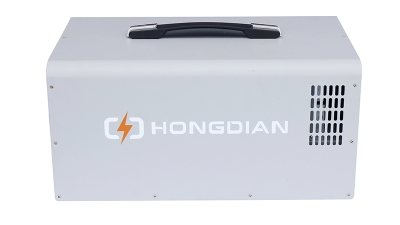
One groundbreaking option in this realm is the compact portable cabinet for battery testing. Its efficient design allows for charge/discharge testing in a small footprint, making it ideal for labs with limited space. According to a recent report by the Battery Innovation Center, effective cycle life testing is crucial, as batteries typically experience a decline in capacity of approximately 20% after 500 cycles. This highlights the significance of utilizing advanced testing equipment to predict battery lifespan accurately and improve performance metrics.
Furthermore, the latest studies suggest that addressing thermal management within battery testing can enhance cycle life significantly. By incorporating features that monitor temperature variations within these test chambers, researchers can observe how thermal stress affects battery degradation. This is vital, as about 30% of performance losses can be attributed to inadequate thermal management. Thus, investing in high-quality test chambers not only streamlines the R&D process but also contributes to the development of more robust and longer-lasting battery technologies.
FAQS
: Maintenance is crucial for identifying wear and tear, ensuring that the equipment remains in optimal condition and helps prevent unexpected downtime.
Regular maintenance checks should include cleaning the tools, inspecting connections and wires for damage, and replacing any worn-out components.
Battery testing instruments should be calibrated regularly, according to the manufacturer's guidelines.
Calibration verifies that testing tools operate within specified accuracy ranges, maintaining precision and reliability in testing results.
Keeping meticulous records of calibration dates and results helps maintain compliance and aids in troubleshooting any discrepancies in testing outcomes.
One common mistake is overlooking the compatibility of testing tools with various battery types, which can lead to inaccurate readings.
Neglecting specifications can result in choosing a device that prioritizes price over functionality, potentially leading to inaccurate results and operational inefficiencies.
Investing in tools with advanced diagnostics can provide deeper insights into battery health, lifecycle, and performance, ensuring effective and efficient testing.
The global battery testing equipment market is projected to grow from USD 1.2 billion in 2023 to USD 2.3 billion by 2028, driven by demand for electric vehicles and renewable energy solutions.
Conclusion
Picking the right tools for testing batteries isn’t just a good idea—it's pretty much essential if you want your batteries to perform well and stay reliable. In this post, I’ll walk you through the different types of battery testing equipment out there, highlighting what you should keep in mind before making your choice. I also compare analog and digital testers, digging into their key features and recent tech improvements that make testing more accurate. Plus, I’ll share some tips on how to properly maintain and calibrate your gear, along with common mistakes to watch out for—trust me, it’s all about helping you make smarter decisions when investing in battery testing tools.
At Shenzhen Hongda New Energy, we’re proud to have served over a thousand customers worldwide, thanks to our dedication to quality. We believe that understanding how these testing tools work and why they matter is the key to keeping batteries healthy and performing at their best. That way, our clients can pick the right equipment for their specific needs and stay successful across different energy projects.

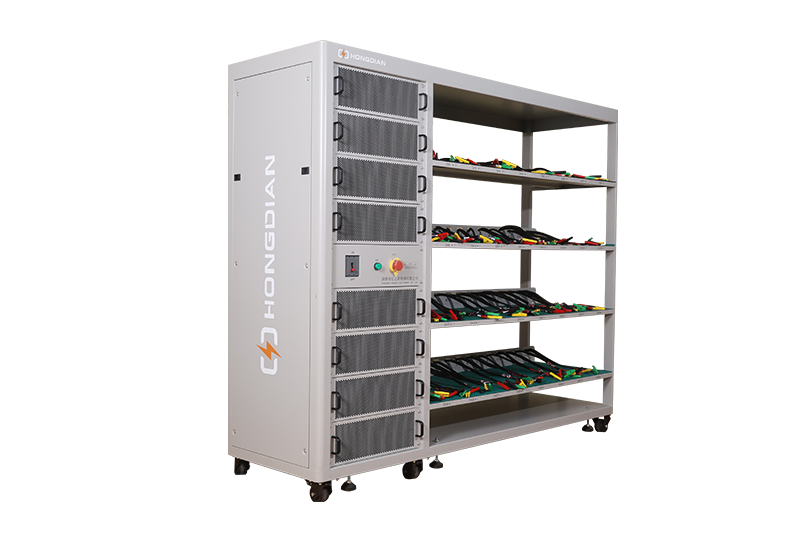 32/48 channel battery charging and discharging test integrated battery cabinet
  40 channel battery charging and discharging test integrated battery cabinet
  64 channel battery charging and discharging test integrated battery cabinet
 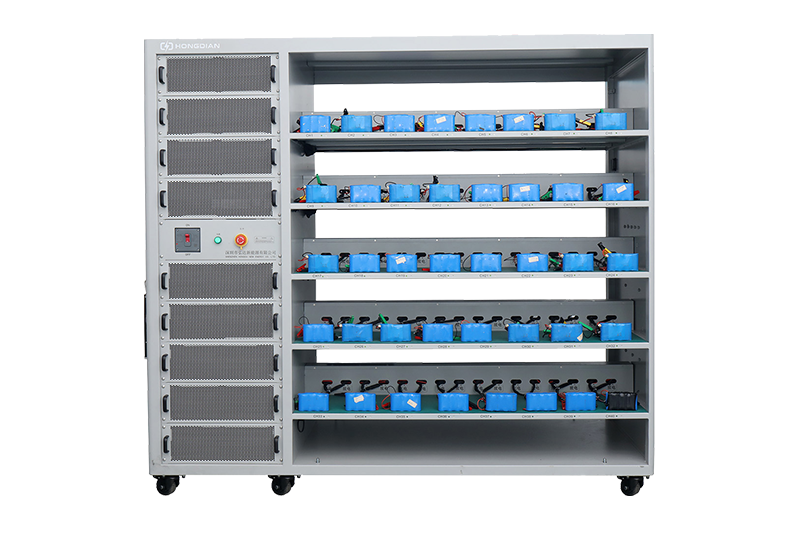 80 channel battery charging and discharging test integrated battery cabinet
 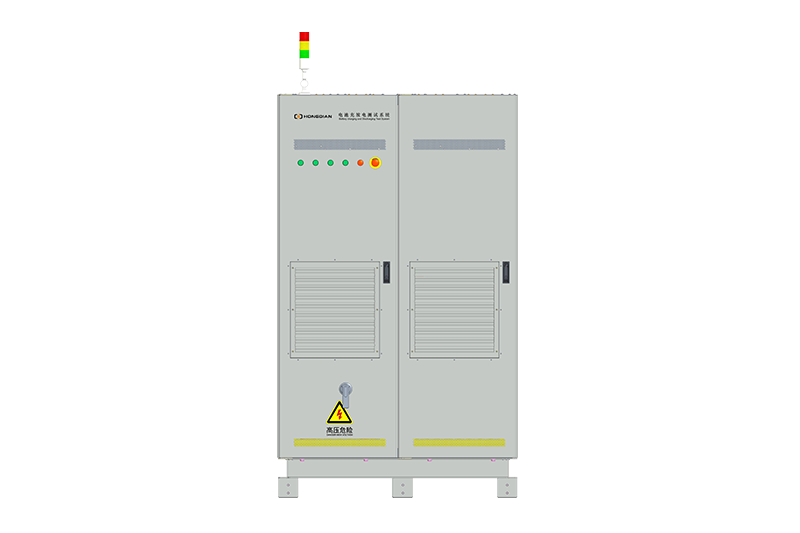 1000V-1500V High Voltage High Current Battery Testing System
 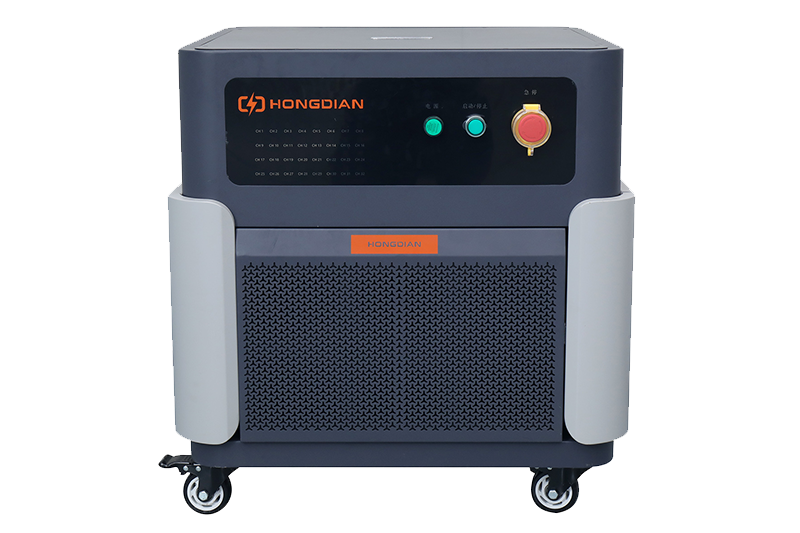 High-Precision Battery Testing System for Enhanced Performance Monitoring 30V/60V/100V/120V
 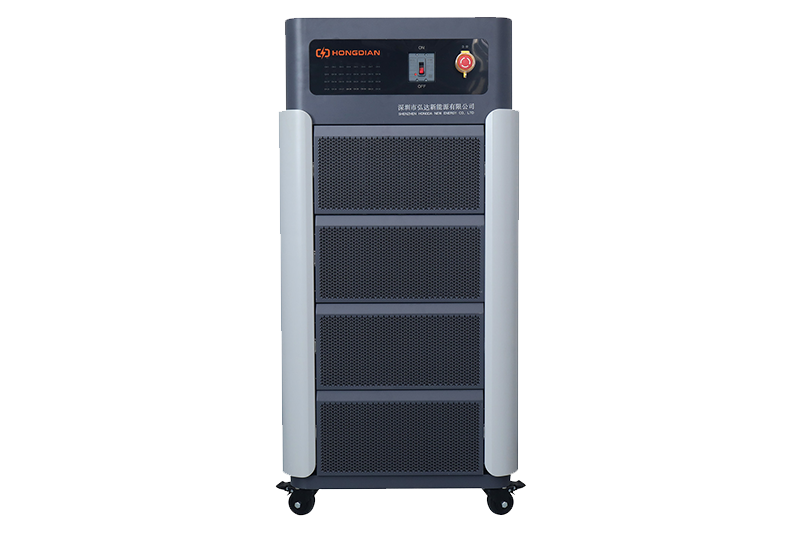 High-Precision Battery Charge Discharge Test Systems for EV Manufacturers
 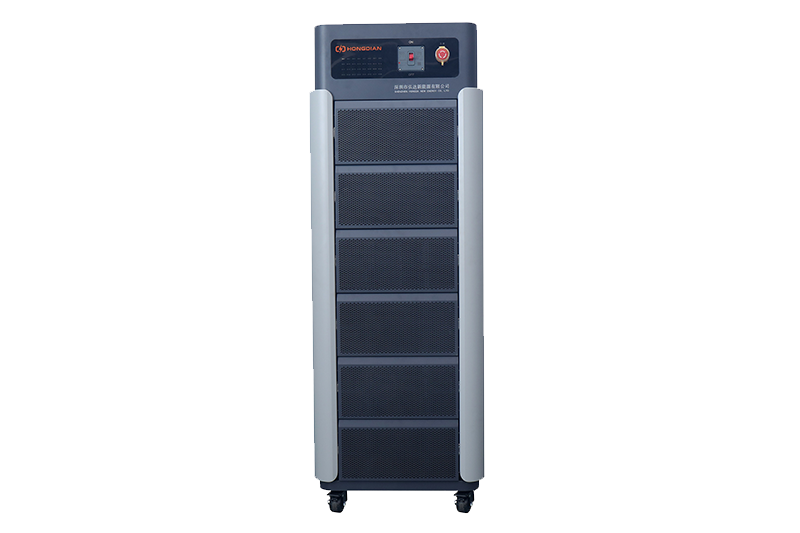 Precision Battery Test Racks for Cell Capacity & Internal Resistance Measurement
 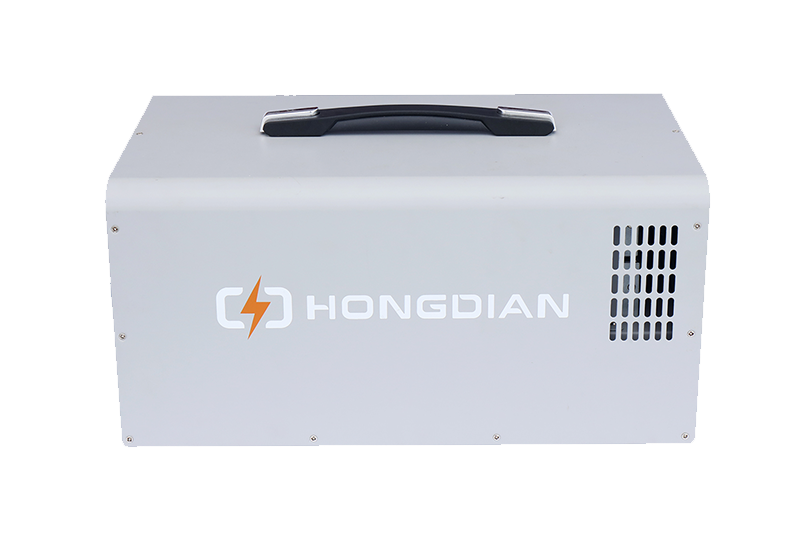 Multi-Channel Battery Testing Equipment for Parallel Performance Analysis