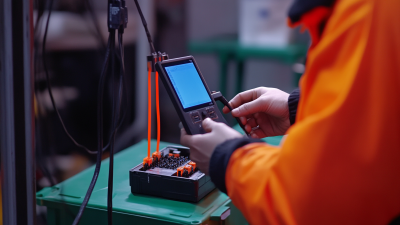
You know, with how fast technology is moving these days, it's no surprise that we're seeing a huge demand for energy storage solutions that are both reliable and efficient. At the top of the game are lithium-ion batteries. Industry reports are saying that the lithium-ion battery market could skyrocket to about $100 billion by 2025—pretty wild, right? This boom highlights just how crucial it is to have the right tools to keep an eye on how these batteries are performing. That’s where a Li Ion Battery Checker comes in. It's a must-have, whether you’re a consumer just trying to get the most out of your devices or a professional in the field. Take Shenzhen Hongda New Energy Co., Ltd., for example. They’ve reached over a thousand customers around the globe and really get how important these tools are for making sure batteries work well and last. In this Ultimate Guide to the Best Li Ion Battery Checker, we’ll dive into some key technical specs and practical tips for using them effectively. Plus, we’ll throw in some case studies from the industry to help you unlock the full potential of your lithium-ion battery systems.
Understanding Li-Ion Battery Basics: Chemistry and Capacity Ratings Explained
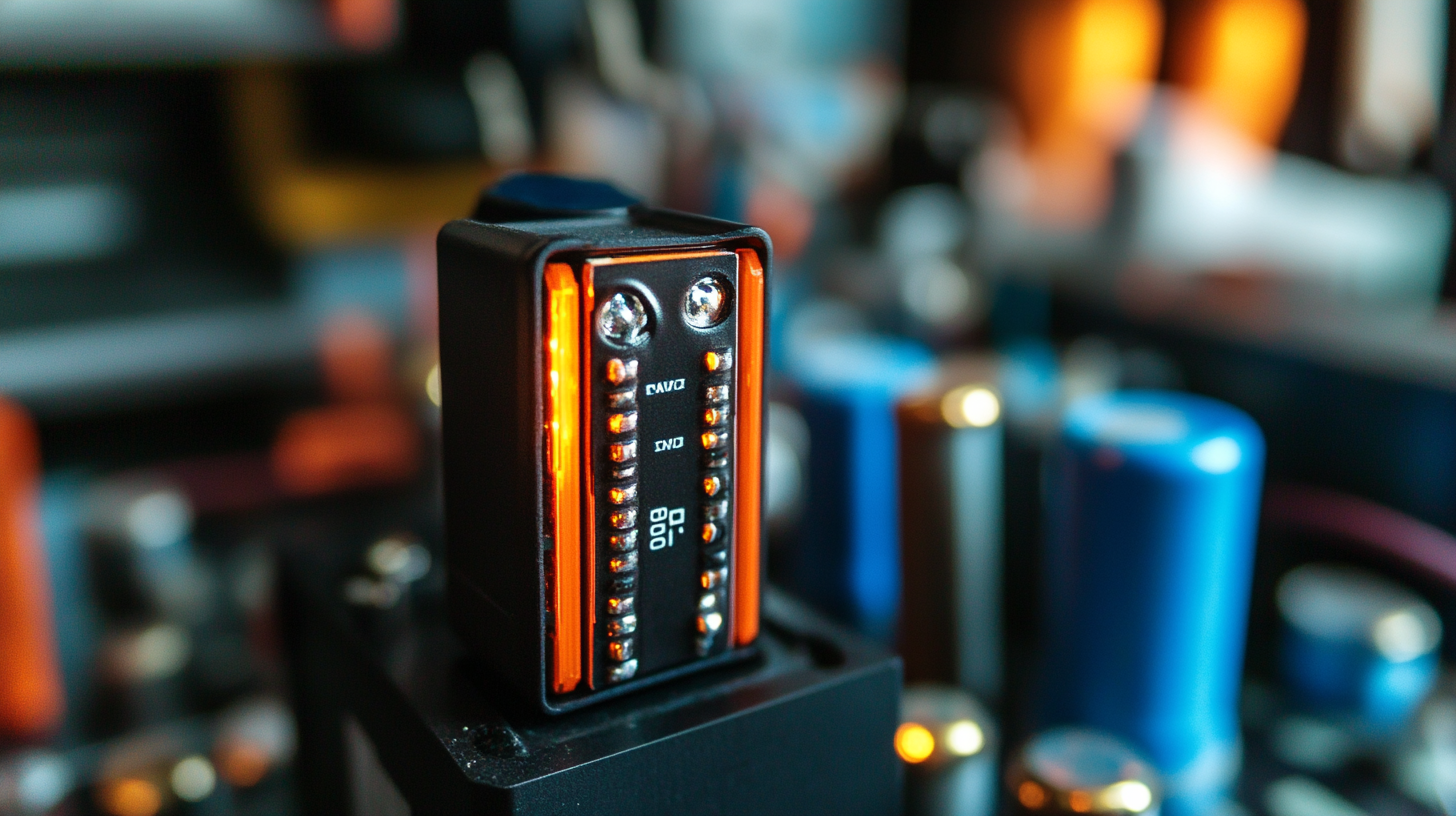
Understanding the chemistry and capacity ratings of lithium-ion (Li-ion) batteries is crucial for optimal usage and longevity. Li-ion batteries operate on the principles of intercalation, where lithium ions move between the anode and cathode during charging and discharging cycles. The capacity of a Li-ion battery, usually measured in milliamp-hours (mAh), directly influences its performance. According to industry reports, higher-capacity cells, such as those exceeding 3000mAh, are increasingly popular in consumer electronics, providing longer runtime and higher energy density.
In addition to chemical composition, it's essential to consider capacity ratings that encompass both nominal capacity and cycle life. As per recent findings, Li-ion cells typically exhibit a capacity retention of around 80% after 500 full charge cycles, indicating durability and efficiency. Leading manufacturers, including those supported by Shenzhen Hongda New Energy Co., Ltd., recognize that battery checkers play a vital role in monitoring these specifications. By utilizing advanced battery checkers, users can ensure their batteries are functioning optimally, helping extend service life and enhance overall performance. With a growing client base spanning multiple regions, Hongda New Energy is committed to providing top-notch solutions that empower users to understand and maximize their Li-ion battery experience.
Key Technical Specs: Voltage, Current, Cycle Life, and Their Importance
 So, when you're looking at lithium-ion batteries, it's really important to grasp some of the key specs, like voltage, current, and cycle life. Voltage? That’s basically how much energy the battery can put out. Then you’ve got current, which tells you how fast that energy can be accessed. And cycle life is all about how many times you can charge and discharge the battery before you start noticing a drop in performance. Recent research is showing that using dynamic discharge can really boost the lifespan of these batteries compared to just using constant current discharge. It’s a pretty big deal for us users to switch up our discharge habits to get the most out of our batteries.
To make your lithium-ion battery last longer, try to keep it in the sweet spot of its voltage range and steer clear of letting it drain too deeply if you can. Keeping an eye on the current draw can help you avoid overheating issues and keep the battery in good shape. Plus, if you can analyze how your battery degrades over time, you'll have a better idea of when it’s time to replace it, which can save you from those surprise failures. Using tools that track these tech specs can really help you manage your battery’s performance, keeping everything running smooth and reliable.
Essential Features of a Reliable Li-Ion Battery Checker
So, when you're on the hunt for a good Li-Ion battery checker, there are some must-have features you really should consider to make a smart choice. First off, accuracy is super important. You'll want a battery checker that gives you readings within a 1% error margin—trust me, industry reports back this up. It's smart to look for devices that use those fancy algorithms for checking voltage and capacity, which really boosts their reliability. And hey, make sure it’s compatible with a wide range of Li-Ion chemistries! That way, you can check batteries from all sorts of applications without any hassle.
Another thing to keep in mind? Go for a user-friendly interface. You want a clear digital display that shows you all the important metrics like voltage, capacity, and cycle count so you can get a quick read. Some cool models even offer Bluetooth connectivity, which lets you log your data and track battery health over time super easily. And don't forget, keeping an eye on your battery's health can really extend its life—some studies even say proper maintenance can boost lifespan by as much as 30%!
Quick tip: Before you buy, check for battery checkers that come with built-in safety features like over-voltage and over-current protection. This can save you a ton of headaches by preventing damage to both the checker and the battery while you're testing. And, you know, it’s always a good idea to go for ones that come with a warranty—it’s a sign that the manufacturer really believes in their product’s reliability.
Battery Capacity Comparison of Common Li-Ion Battery Types
How to Interpret Battery Tester Readings for Optimal Usage
Hey there! If you've got a lithium-ion battery checker lying around, you might want to get familiar with the readings it gives. Trust me, it can really improve how you manage your batteries. So, let’s break it down: the usual stuff you’ll see includes voltage, capacity percentage, and internal resistance. Now, the voltage is pretty much your go-to for the immediate charge level. For a lithium-ion battery, a fully charged cell should read about 4.2 volts. Anything dipping below 3.0 volts? That’s a red flag that your battery is running on empty!
When you’re looking at the readings, it helps to think about the capacity percentage alongside the voltage. Like, if your battery shows 50% capacity, you might think you’re good to go. But if the voltage is under 3.5 volts, it’s probably time to charge up before it leaves you hanging. Plus, checking the internal resistance can give you a peek into your battery’s health. If that number is on the high side, it might signal that your battery is aging or maybe even damaged.
Here are a few friendly tips to keep in mind: first, try to keep an eye on your battery levels to dodge those deep discharges. They can really cut down its lifespan. Second, steer clear of extreme temperatures – those can mess with how your battery performs and how accurately it reads. And last but not least, make sure you’re using a solid battery checker. You want to be sure you’re getting good readings so you can help prolong your lithium-ion batteries’ lives. It's worth it, trust me!
Top Brands and Models: Comparing Performance and Accuracy in Battery Checkers
So, if you're on the hunt for the best Li-Ion battery checker, it’s really important to dig into the performance and accuracy of different brands and models. You know, big names like Ansmann, Nitecore, and XTARhave really set the standard in the Battery Testing world. Each of these brands brings something unique to the table—think smart charging functions and the ability to work with various battery types. For instance, Ansmann’s testers get a lot of love for being super user-friendly, which is perfect if you’re just starting out. On the flip side, Nitecore really shines with its advanced features, especially for those who are a bit more tech-savvy.

When you’re comparing battery checkers, accuracy is key. Precise voltage readings and discharge tests are going to seriously impact how you keep track of your batteries. Models like the XTAR VC4? They offer a ton of useful info, including internal resistance measurement—this is a major indicator of how healthy your battery really is. Oh, and don’t forget to think about things like measurement range and speed when you’re checking out different models, since these factors play a big role in how efficient the checker is overall. Ultimately, getting a good feel for how these top brands stack up against one another will really help you make a choice that fits your battery management needs perfectly.
Maintenance Tips for Prolonging the Lifespan of Your Li-Ion Batteries
Hey there! You know those lithium-ion batteries? They’re pretty much everywhere—in our smartphones, tablets, laptops, and even electric wheelchairs. But here’s the thing: a lot of folks don’t really know how to take care of them properly. To get the most out of your batteries and make them last, I've got some handy tips for you.
First off, let’s talk charging habits. It’s super important to avoid letting your device run all the way down to zero before you recharge it. Ideally, you want to keep that battery level somewhere between 20% and 80%. This little trick really helps minimize stress on the battery cells, keeping them in good shape for longer. And hey, don’t forget to use the original charger or a certified one—those knockoff brands can mess things up with weird voltage levels!
Another thing to keep in mind is temperature. Extreme heat is a real battery killer, while really cold temps can make your battery feel sluggish. So, whenever you can, store your devices in a cool, dry spot. And definitely avoid leaving them in hot places like your car on a blazing summer day—it’s a recipe for disaster! By just sticking to these simple tips, you can really help your lithium-ion batteries last longer and keep your devices running smoothly for ages.
Enhancing R&D Efficiency: The Importance of Industrial-Grade Battery Cycle Life Test Chambers for 60V/100V/120V Applications
In the fast-evolving landscape of battery technology, enhancing research and development (R&D) efficiency is paramount. As industries push the envelope for higher performance batteries in 60V, 100V, and 120V applications, the role of industrial-grade battery cycle life test chambers cannot be overstated. These chambers are critical for conducting rigorous charge and discharge tests, which are vital for understanding the longevity and reliability of battery systems. According to a recent report by the International Energy Agency (IEA), advancements in battery technology can lead to cost reductions of up to 30% by 2030, demonstrating the importance of precise testing in achieving these goals.
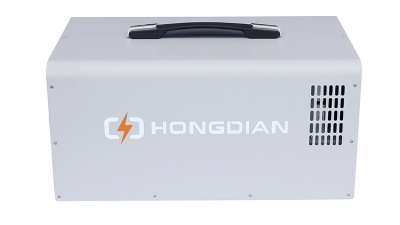
A significant innovation in this area is the compact portable cabinet designed for battery testing. This device facilitates efficient charge/discharge testing while occupying a minimal footprint, allowing R&D teams to maximize their workspace without compromising on testing capabilities. In fact, research shows that streamlining the testing process can accelerate product development timelines by nearly 25%, which is crucial for companies vying for competitive advantage in the battery market. The cabinet's portability ensures that teams can conduct tests in various settings, increasing flexibility and responsiveness to emerging technology demands.
Moreover, deploying industrial-grade battery test chambers equipped with robust data acquisition systems enables researchers to collect and analyze vital performance metrics effectively. According to the U.S. Department of Energy (DOE), understanding the cycle life and degradation mechanisms of batteries can improve performance predictions and enhance the overall safety of battery systems. In today’s energy landscape, where sustainability and efficiency are pivotal, investing in high-quality battery testing equipment is essential for driving innovation and ensuring the market readiness of new technologies.
FAQS
: Li-ion batteries operate on the principle of intercalation, where lithium ions move between the anode and cathode during charging and discharging cycles.
The capacity of a Li-ion battery is usually measured in milliamp-hours (mAh).
Capacity ratings, which include nominal capacity and cycle life, directly influence the performance and longevity of the battery.
Li-ion cells typically retain around 80% of their capacity after 500 full charge cycles, indicating their durability and efficiency.
Users should avoid letting their devices discharge completely and maintain the battery level between 20% and 80% for optimal performance.
Using original or certified chargers helps prevent potential damage caused by irregular voltage levels that could harm the battery.
High temperatures can accelerate battery degradation, while cold conditions can temporarily reduce battery capacity.
It is advisable to store devices in a cool, dry place and avoid leaving them in hot environments to extend the lifespan of lithium-ion batteries.
Advanced battery checkers help users monitor the specifications of their batteries, ensuring optimal functionality and enhancing overall performance.
Shenzhen Hongda New Energy Co., Ltd. is committed to providing solutions that empower users to understand and maximize their Li-ion battery experience.

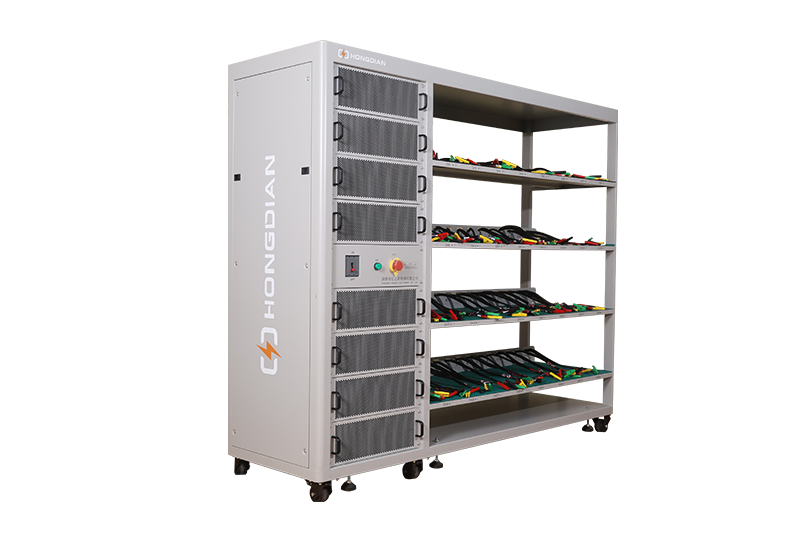 32/48 channel battery charging and discharging test integrated battery cabinet
 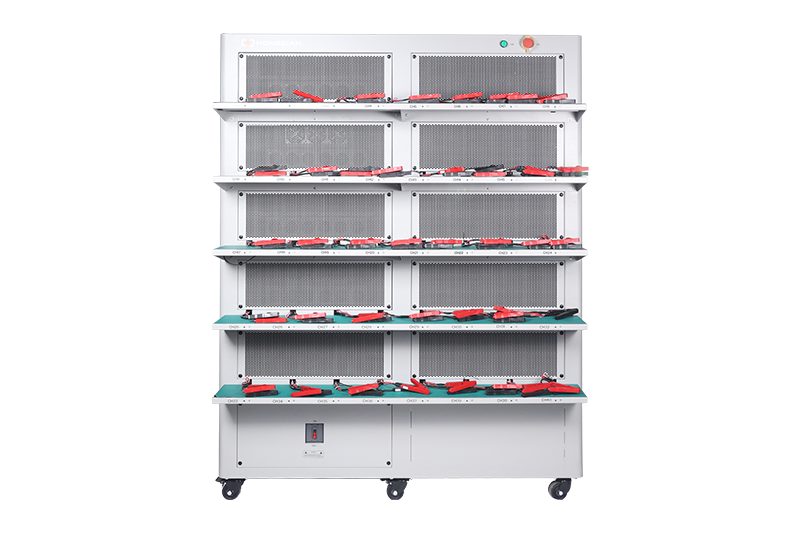 40 channel battery charging and discharging test integrated battery cabinet
  64 channel battery charging and discharging test integrated battery cabinet
 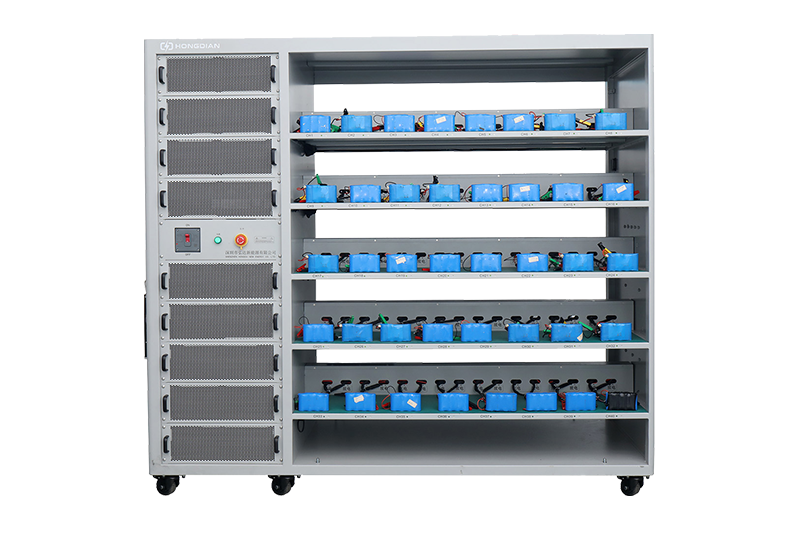 80 channel battery charging and discharging test integrated battery cabinet
 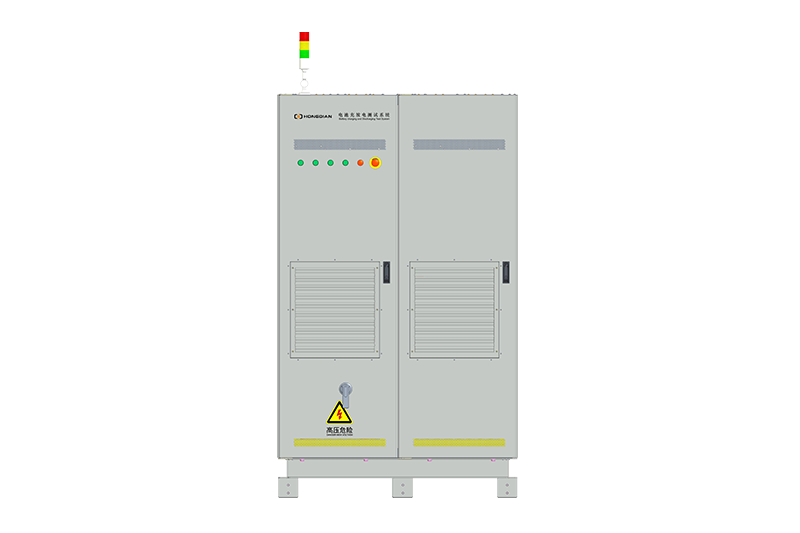 1000V-1500V High Voltage High Current Battery Testing System
 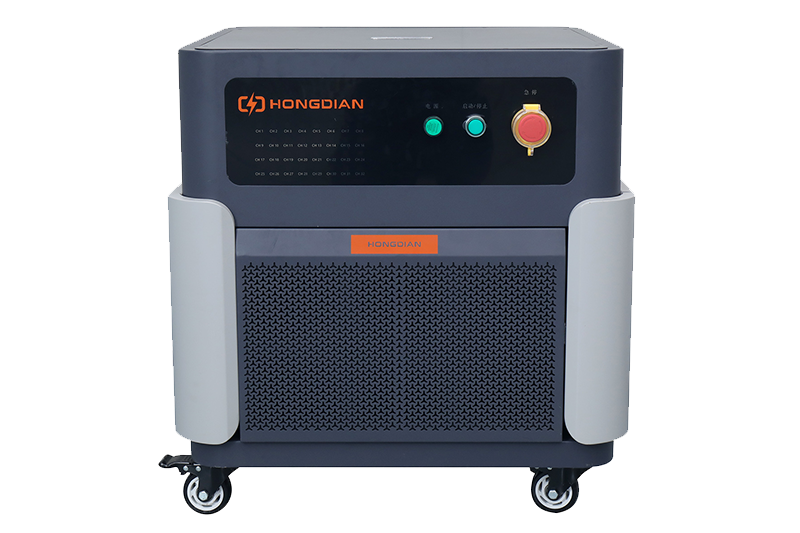 High-Precision Battery Testing System for Enhanced Performance Monitoring 30V/60V/100V/120V
 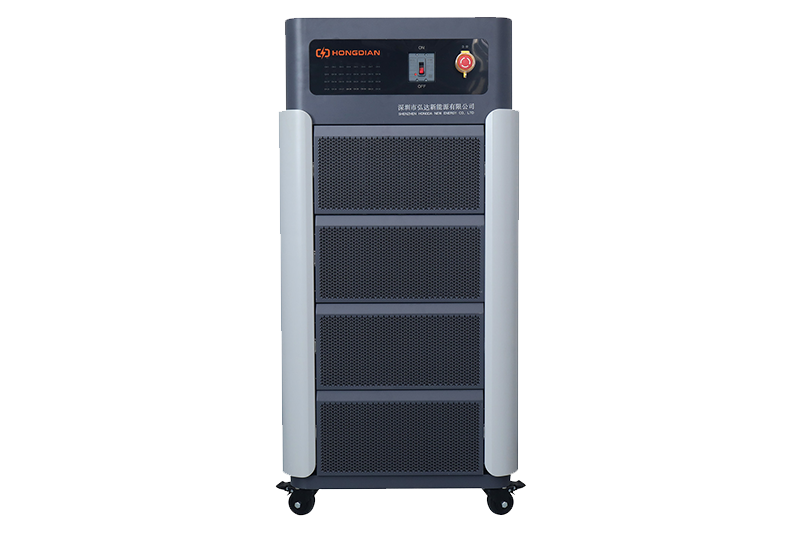 High-Precision Battery Charge Discharge Test Systems for EV Manufacturers
 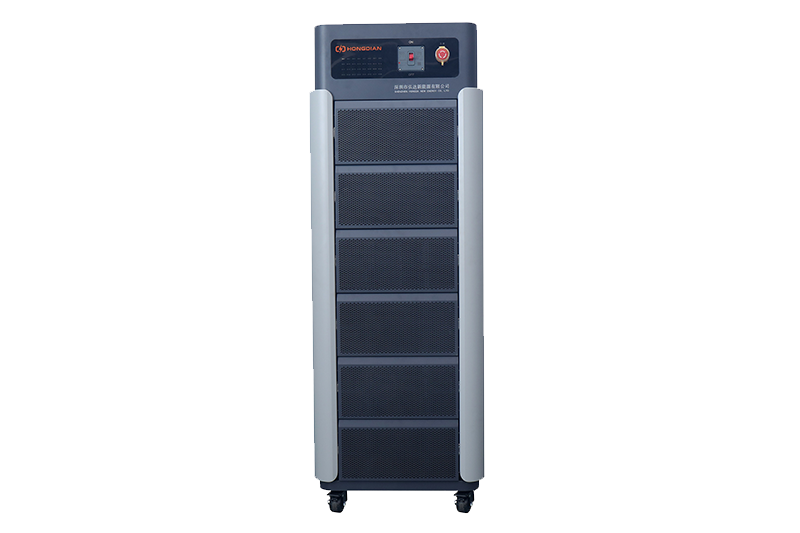 Precision Battery Test Racks for Cell Capacity & Internal Resistance Measurement
 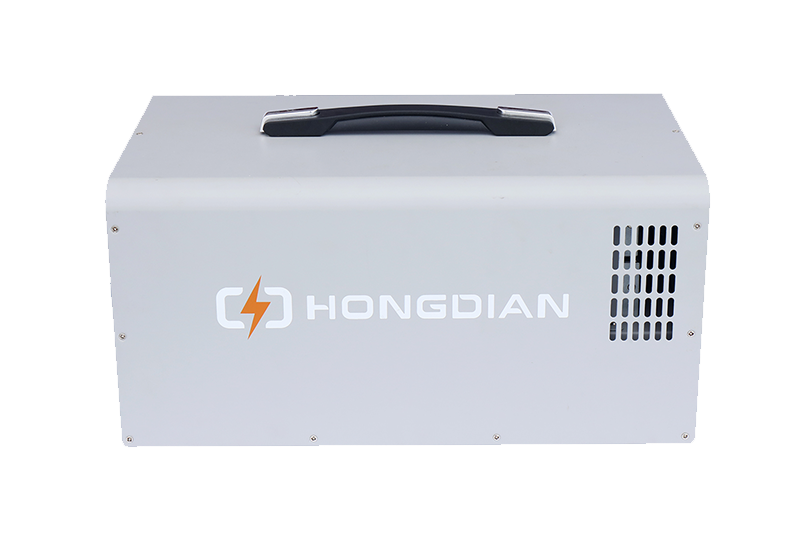 Multi-Channel Battery Testing Equipment for Parallel Performance Analysis