When it comes to keeping your vehicle’s battery in good shape, a Battery Load Tester really is one of those tools every car owner should have on hand. The world of automotive tech is changing faster than ever, and picking the right load tester can actually make a big difference — whether it’s figuring out what’s going on with your battery or just helping it last longer. As we’re heading into 2025, it’s more important than ever to stay in the loop about the latest in Battery Testing tech and how it can help with your car maintenance routine.
In this article, I want to give you a clear, honest review of the top Battery Load Testers out there. I’ll go over what features they have, their pros and cons, and what other users are saying. Whether you’re a seasoned mechanic or just a DIY weekend warrior, the right tester can give you real peace of mind about your battery’s health and performance. We’ll also cover how to pick the best model for your specific needs — stuff like accuracy, how easy it is to use, and whether it’s portable enough to take around. Come along as we explore the increasingly crowded market of battery testing tools, so you can make smarter decisions that save you both time and money down the line.
Overview of Battery Load Testers and Their Importance
Battery load testers play a crucial role in maintaining the health and longevity of automotive batteries. These devices assess a battery's ability to maintain a charge under simulated load conditions, helping users identify potential issues before they lead to failure. Understanding the importance of battery load testing can save time, money, and prevent unexpected breakdowns, which is particularly vital for individuals relying heavily on their vehicles.
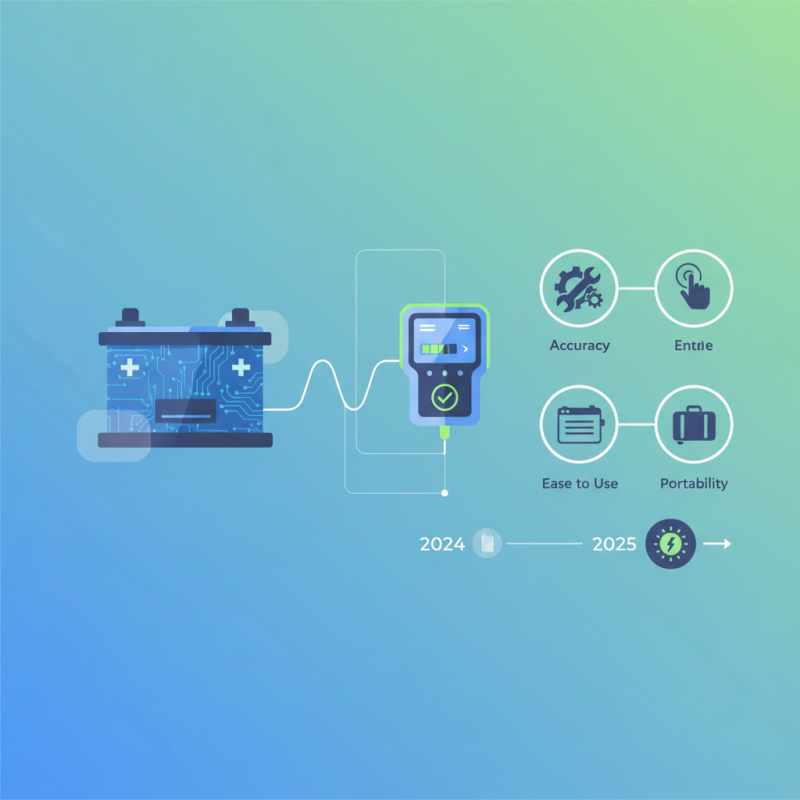
When selecting a battery load tester, it's essential to consider a few key factors. First, look for a tester that provides accurate readings under a range of conditions. Additionally, ensure that the device is easy to use and provides clear indicators for results. It can also be beneficial to choose a model that has a built-in digital display for better readability.
**Tips:** Regularly testing your battery, especially before seasonal changes, can help you spot weaknesses in advance. Always follow the manufacturer's instructions for the best results and ensure safety precautions are taken when testing batteries. Consider investing in a portable model that allows you to Test Batteries in various locations, providing flexibility and convenience.
Top Battery Load Tester Reviews for 2025
| Model | Load Capacity (Amps) | Display Type | Weight (lbs) | Price ($) |
| Model A | 100 | Digital | 5.5 | 79.99 |
| Model B | 200 | Analog | 6.2 | 59.99 |
| Model C | 150 | Digital | 4.5 | 89.99 |
| Model D | 300 | Digital | 7.0 | 109.99 |
| Model E | 250 | Analog | 6.8 | 69.99 |
Key Features to Consider When Choosing a Battery Load Tester
When selecting a battery load tester, several key features should be carefully considered to ensure optimal performance and reliability. First and foremost, the load capacity of the tester is crucial. A typical automotive battery load tester should be able to apply a load of at least half of the amp-hour (Ah) rating of the battery under test. According to industry data, many standard batteries range from 12V, 30Ah to 12V, 100Ah, meaning testers that can handle loads of 300 to 500 amps are essential for accurate assessments.
Another important feature is the tester's ability to provide clear and accurate readings. Devices equipped with digital displays tend to offer superior accuracy and can give real-time feedback on battery health. Research from the Battery Council International indicates that 40% of battery failures stem from inadequate testing. Therefore, testers that incorporate both voltage and load readings can help users implement preventive measures and ensure longevity for their batteries.
Finally, look for additional functions such as temperature compensation and print capability for recording results. Certain studies reveal that temperature fluctuations can significantly affect battery performance. Therefore, a tester that automatically adjusts readings based on temperature is valuable for maintaining precise evaluations. With these considerations in mind, users can confidently select the right battery load tester for their needs.
Top Battery Load Tester Models for 2025: A Comparative Review
When it comes to selecting the right battery load tester for 2025, understanding the essential models on the market is crucial. Recent industry reports indicate that the global battery testing equipment market is projected to grow significantly, with anticipated expansion fueled by the increasing demand for reliable and efficient battery performance diagnostics. Among the key features to consider are measurement accuracy, load capacity, and ease of use. Leading models typically offer test currents that range from 100 to 2000 amps, enabling comprehensive assessments of various battery types, including lead-acid and lithium-ion batteries.
Comparative reviews suggest that a multifunctional design is increasingly important for users seeking versatility in battery testing. A model that incorporates both load testing and conductance testing features provides a more holistic approach to battery health assessment. Industry data reveals that more than 60% of users prefer testers that include digital displays for easier interpretation of results. Additionally, models that come equipped with safety features, such as reverse polarity protection and cooling systems, are highly favored, ensuring that users can perform tests with minimal risk. As we move into 2025, staying informed on the latest advances in battery load testing technology will be essential for both professional and personal applications.
How to Properly Use a Battery Load Tester for Accurate Results
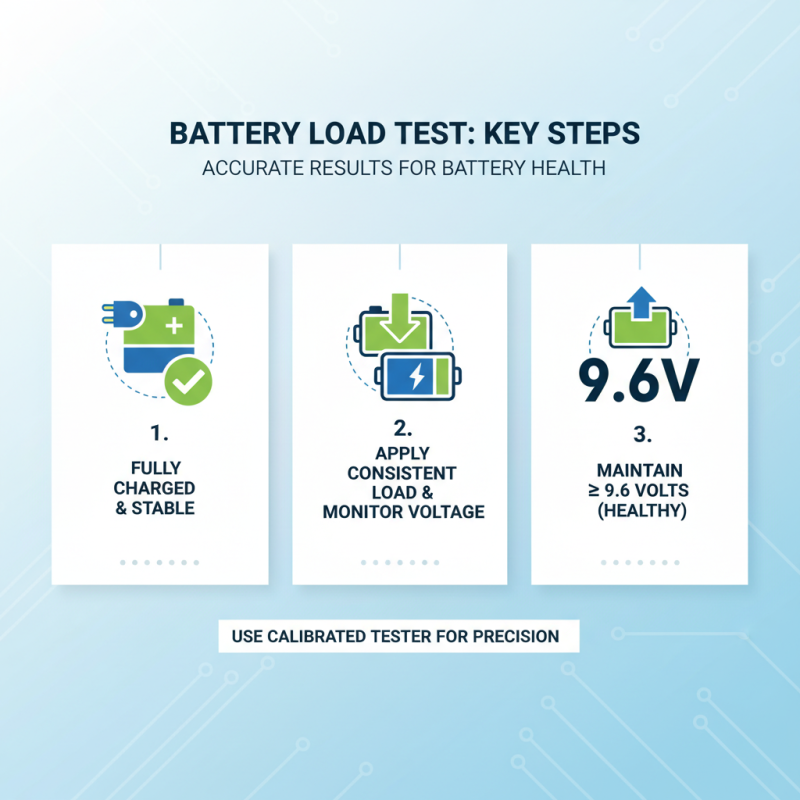
Using a battery load tester effectively is crucial for obtaining accurate results when evaluating a battery's health and performance. To begin, ensure that the battery is fully charged and in a stable condition. A consistent load has to be applied to the battery while monitoring its voltage levels. According to industry reports, a lead-acid battery should maintain a voltage level of at least 9.6 volts under load to be considered healthy. This standard highlights the importance of the tester's accuracy; using a model with reliable calibration is essential for precise assessments.
When it comes to the actual testing process, it's vital to connect the load tester clamp to the positive terminal and the negative clamp to the negative terminal, securing a solid connection. Apply the load for the recommended duration, usually around 10 to 15 seconds, while carefully watching for any significant drops in voltage. A drop greater than 0.5 volts can indicate a failing battery.
**Tips:** Perform the test in a well-ventilated area to avoid gas accumulation, as batteries can emit harmful gases under load. Additionally, make it a practice to clean the battery terminals before testing to ensure proper conductivity, thereby further enhancing the accuracy of your results. Regular maintenance and testing can prolong the life of your battery significantly, with studies indicating that proactive care can enhance battery lifespan by up to 30%.
Maintenance Tips for Extending the Life of Your Battery Load Tester
Maintaining your battery load tester is crucial for ensuring its longevity and accurate performance. According to recent industry reports, battery testers typically have a lifespan of 5 to 10 years, depending on usage and care. Regular maintenance can significantly extend this lifespan and enhance function. One key practice is to routinely inspect the device for any signs of wear or damage. Keeping the terminals clean and free from corrosion is essential, as buildup can interfere with readings and affect performance. Utilizing a soft, dry cloth to wipe the contacts can prevent potential issues.
Moreover, it is important to store your battery load tester in a controlled environment, avoiding extreme temperatures and humidity, which can degrade electronic components. Professional recommendations suggest calibrating the tester annually to ensure accuracy. In fact, studies indicate that improperly calibrated testers can yield errors up to 15% in battery assessments, which can lead to misdiagnoses of battery health. By following these simple maintenance tips, users can not only extend the life of their battery load testers but also ensure reliable performance when it matters most. Proper care and routine assessments are key elements in achieving optimal functionality and durability.
Battery Load Tester Performance Comparison
Common Mistakes to Avoid When Testing Batteries
When testing batteries, several common mistakes can lead to inaccurate results or even damage to the battery itself. One major error is not fully charging the battery before testing. A battery that isn’t at its peak charge level may yield misleading voltage readings, causing technicians to misjudge its condition. Always ensure the battery is fully charged or at least in a state reflective of its normal operating conditions to get a reliable performance evaluation.
Another frequent mistake is neglecting to follow the manufacturer’s guidelines for the load tester being used. Each model may have specific settings or methods recommended for optimal usage. Ignoring these instructions can result in incorrect load application, thereby affecting the test outcome. Additionally, people often fail to consider environmental factors such as temperature, which can significantly impact battery performance. Testing in extreme temperatures—too hot or too cold—can lead to false readings, so it’s crucial to conduct tests in a controlled environment to ensure accuracy. By being aware of these pitfalls, you can enhance the reliability of your battery testing results.
Expert Recommendations for Selecting the Right Model for Your Needs
When choosing the best battery load tester for your needs, it's essential to consider several key factors that can greatly influence the performance and reliability of the device. First, think about the type of batteries you will be testing. Some models are specifically designed for automotive batteries, while others can accommodate a wider variety of lead-acid, Li-ion, or even AGM batteries. Understanding your primary usage will guide you to select a model that meets your specific requirements.
Another important aspect to consider is the tester's measurement capabilities. Look for devices that offer clear and accurate readings, such as voltage, cold cranking amps (CCA), and internal resistance. The clarity of the display and ease of use should also be prioritized, as these features will enhance your overall testing experience. Additionally, features like built-in memory or Bluetooth connectivity can be beneficial, especially if you need to keep track of multiple tests.
Tips:
- Always check the device's user reviews for insights into reliability and accuracy from actual users.
- Consider the portability of the tester; lightweight and compact models are easier to handle, especially in automotive applications.
- Assess the warranty and customer support options from manufacturers to ensure assistance is available in case any issues arise with the device.
FAQS
: A typical automotive battery load tester should be able to apply a load of at least half of the amp-hour (Ah) rating of the battery being tested, with testers capable of handling loads of 300 to 500 amps being essential for accurate assessments.
Clear and accurate readings are crucial because approximately 40% of battery failures result from inadequate testing. Testers with digital displays offer superior accuracy and real-time feedback on battery health.
Look for features such as temperature compensation, which adjusts readings based on temperature fluctuations, and print capability for recording results, enhancing the tester's functionality and precision.
Battery load testers usually have a lifespan of 5 to 10 years, depending on usage and maintenance practices.
Key maintenance practices include routinely inspecting for wear or damage, keeping terminals clean and free from corrosion, and storing the tester in a controlled environment away from extreme temperatures and humidity.
It is recommended to calibrate the battery load tester annually to ensure its accuracy, as improperly calibrated testers can yield errors of up to 15% in battery assessments.
Keeping the terminals clean prevents corrosion buildup, which can interfere with readings and affect the tester's performance.
Temperature fluctuations can significantly affect battery performance, making it valuable for testers to have temperature compensation features to maintain precise evaluations.
Neglecting maintenance can lead to inaccurate readings and decrease the lifespan of the tester, ultimately affecting its reliability and functionality.
A soft, dry cloth is recommended for wiping the contacts to prevent potential issues associated with buildup and corrosion.
Conclusion
This article provides a comprehensive guide on battery load testers, emphasizing their significance in assessing battery performance and longevity. It begins with an overview of how battery load testers function and their importance in both automotive and consumer applications. Key features such as design, capacity, and measurement accuracy are highlighted to assist readers in making informed choices when selecting a model.
The comparative review of the top battery load tester models for 2025 underscores various options available in the market, while practical advice on proper usage ensures accurate testing results. Additionally, maintenance tips are offered to prolong the lifespan of these devices. The article further addresses common mistakes to avoid during testing and presents expert recommendations tailored to diverse user needs, ultimately guiding readers toward selecting the best battery load tester for their specific requirements.

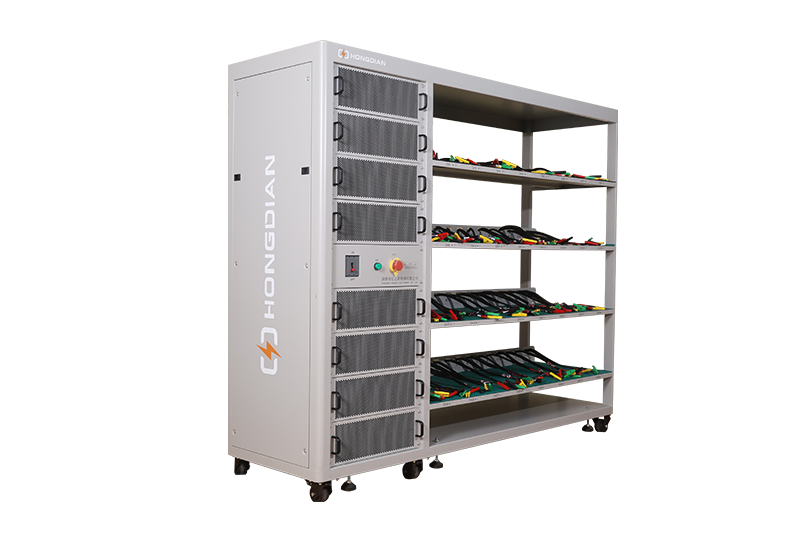 32/48 channel battery charging and discharging test integrated battery cabinet
 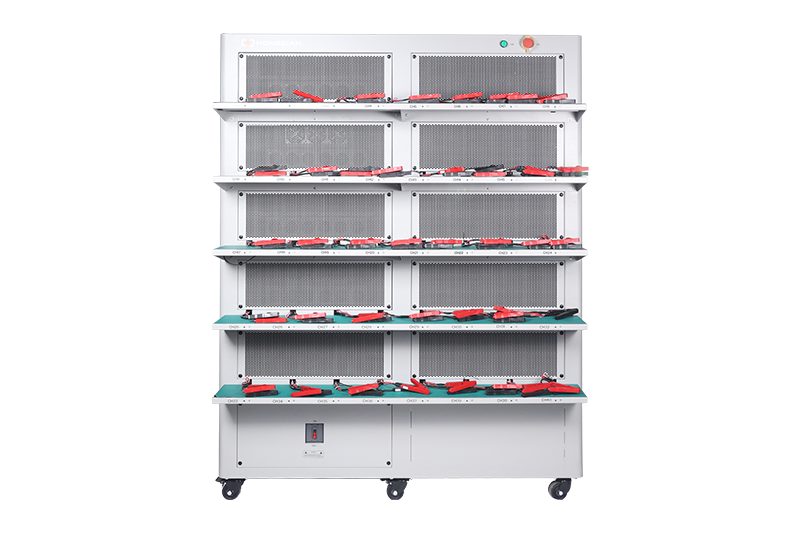 40 channel battery charging and discharging test integrated battery cabinet
  64 channel battery charging and discharging test integrated battery cabinet
 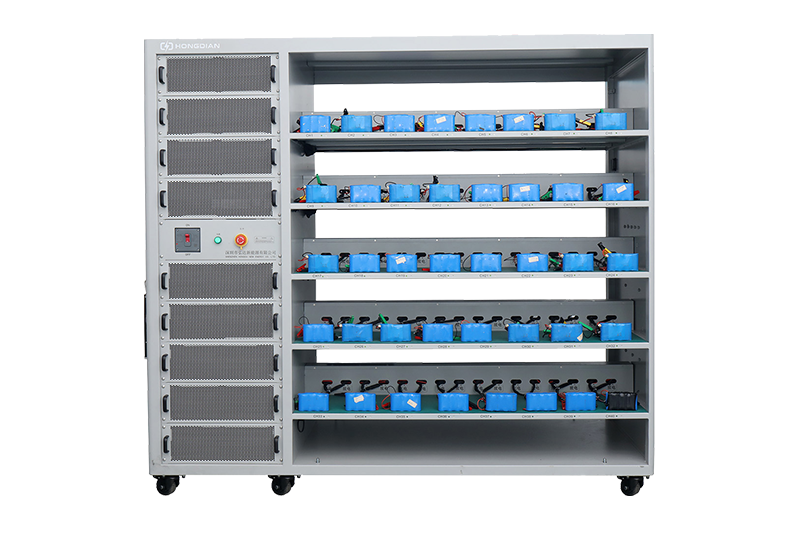 80 channel battery charging and discharging test integrated battery cabinet
 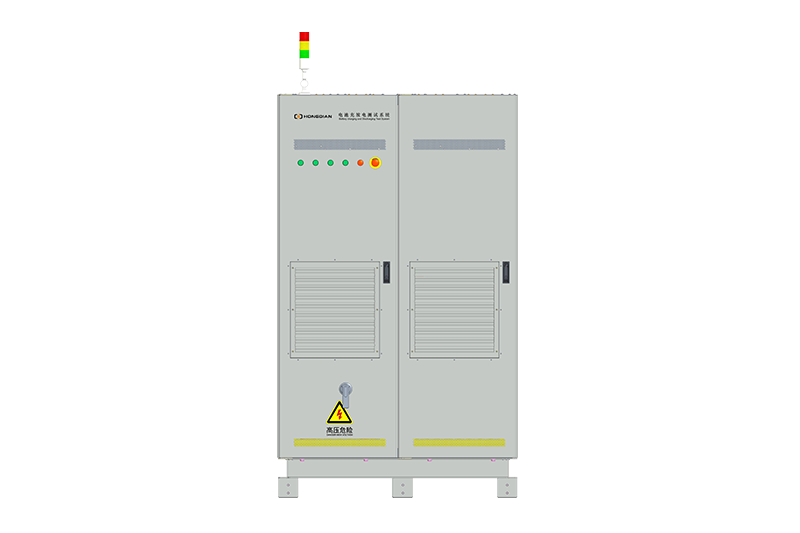 1000V-1500V High Voltage High Current Battery Testing System
 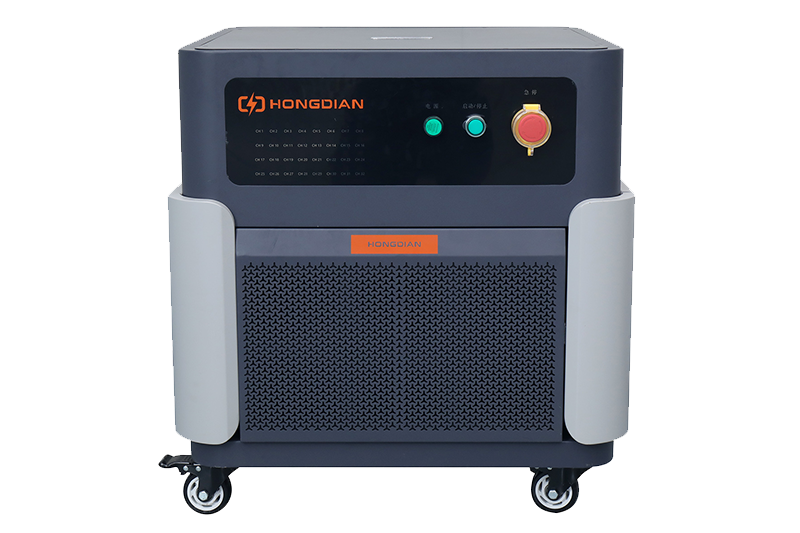 High-Precision Battery Testing System for Enhanced Performance Monitoring 30V/60V/100V/120V
 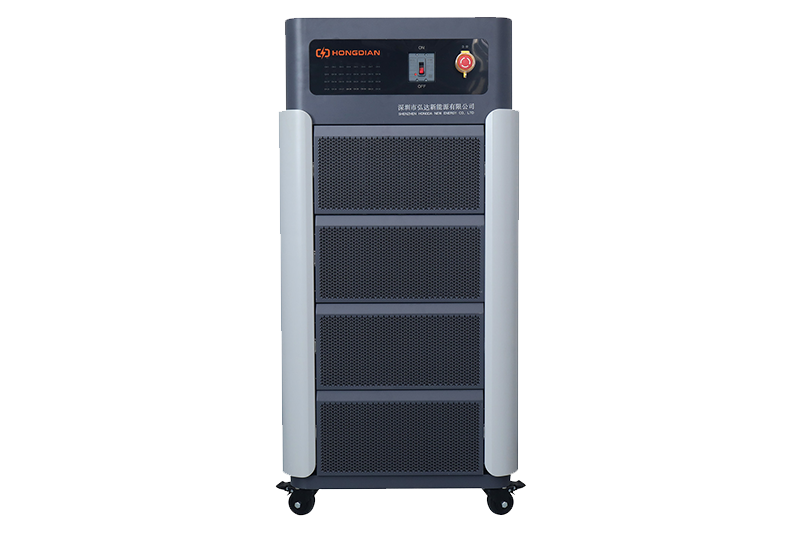 High-Precision Battery Charge Discharge Test Systems for EV Manufacturers
 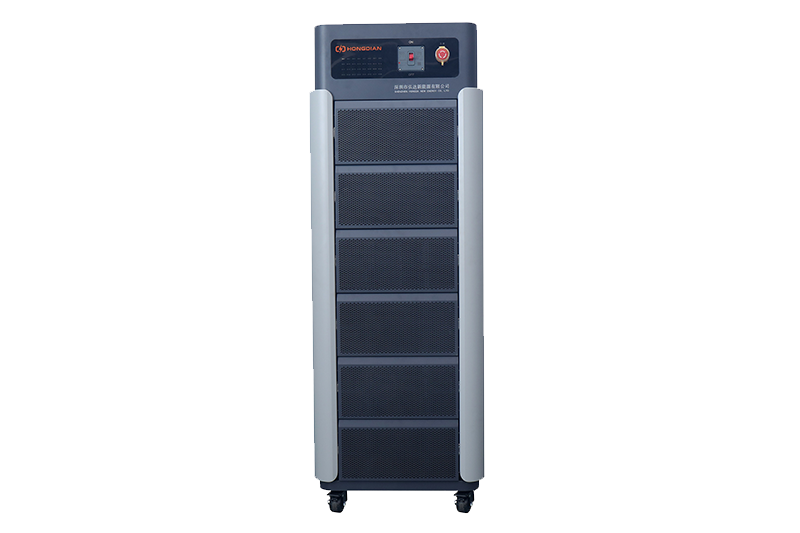 Precision Battery Test Racks for Cell Capacity & Internal Resistance Measurement
 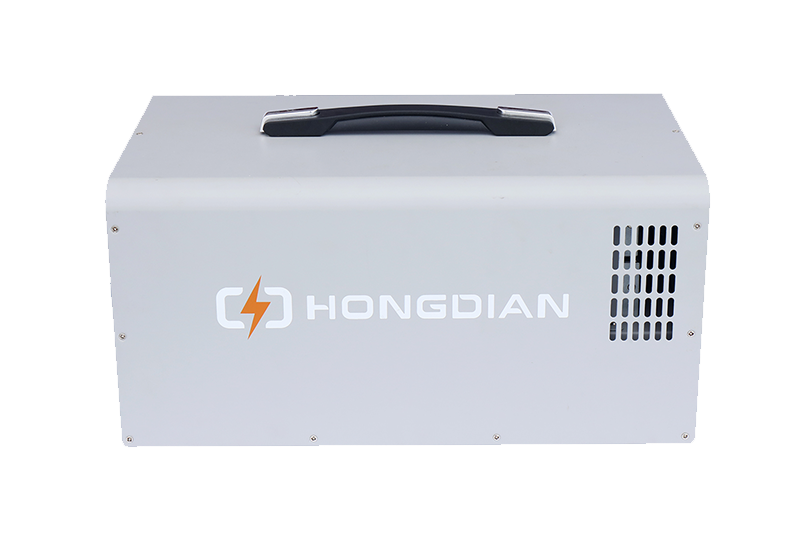 Multi-Channel Battery Testing Equipment for Parallel Performance Analysis